
2026-10-08 · David Ramirez
San Antonio Building Code Updates for Post-Hail Roof Work
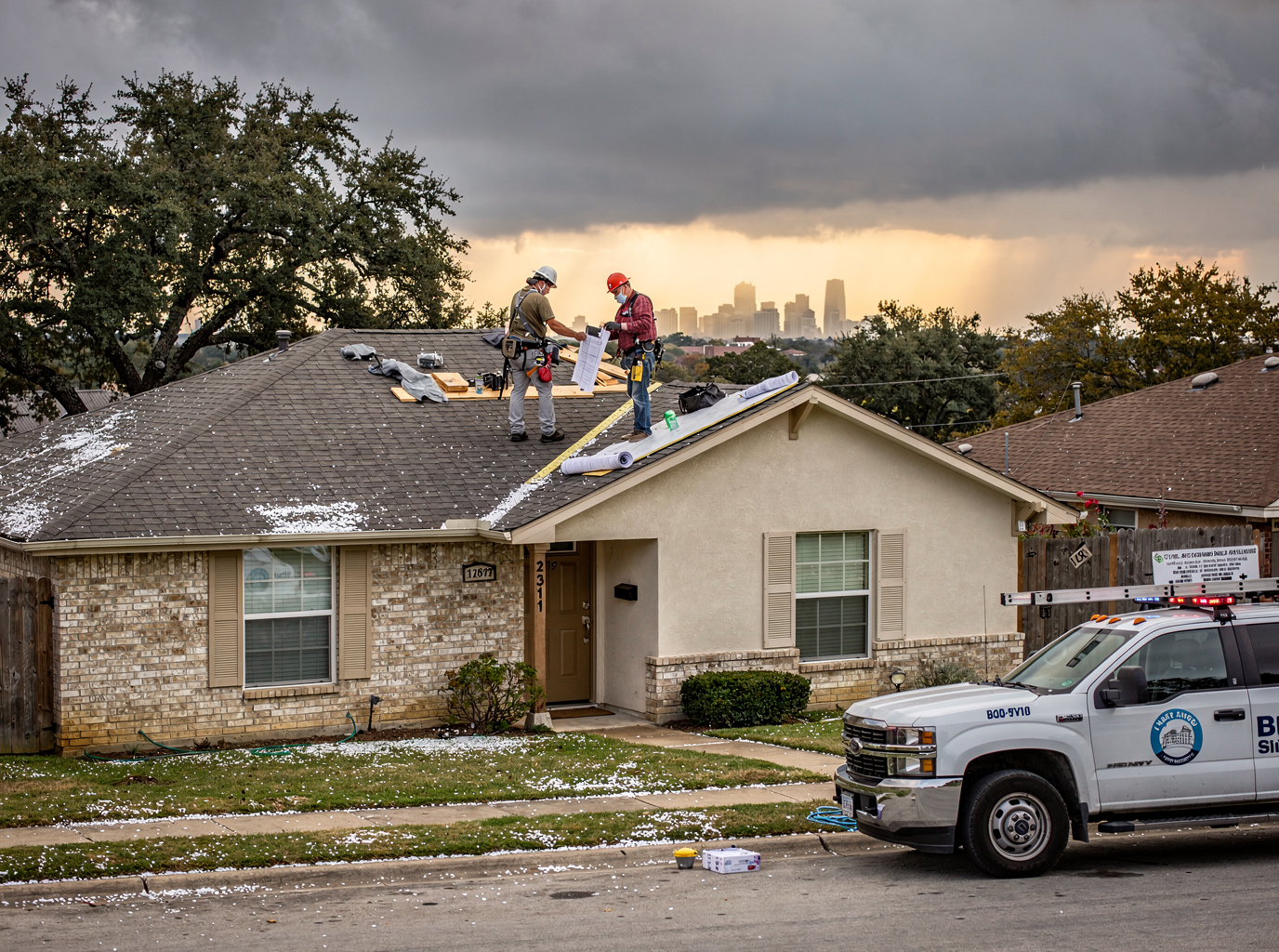
San Antonio's building codes for post-hail roof work are primarily governed by the City of San Antonio Development Services Department, which generally adopts and amends the International Residential Code (IRC) and International Building Code (IBC). For roof repairs, the most significant updates and ongoing requirements revolve around permitting, material specifications, and inspection protocols. Homeowners and contractors in areas like Alamo Heights, King William, and across Bexar County must secure a permit for most roof repair or replacement projects, especially those involving structural changes or a significant percentage of the roof area. The intent is to ensure safety, structural integrity, and adherence to current standards, protecting property values and homeowner investments against future weather events, which are particularly relevant given our hot summers and the occasional severe hailstorms.
Understanding Permit Requirements for Hail Damage Roof Repair
Obtaining the correct permit is the foundational step for any substantial post-hail roof repair in San Antonio. Even seemingly minor repairs can sometimes trigger permit requirements, particularly if they involve replacing more than a certain percentage of the roof's surface area or if the original damage compromised the roof deck. The City of San Antonio's Development Services Department outlines specific criteria, and failure to secure a permit can lead to fines, project delays, or even the requirement to redo work. This is crucial for homes in historic districts like King William or Southtown, where additional aesthetic and material guidelines might apply, further complicating the permitting process. We always advise clients to factor in the time and cost associated with obtaining these permits when planning their Hail Damage Roof Repair.
The application process typically involves submitting detailed plans, including material specifications and a scope of work. For straightforward roof repairs, the process can be relatively quick, but for more extensive damage, especially if it affects the underlying structure, it might require more comprehensive documentation. It’s not just about compliance; it's about ensuring the work meets safety standards designed to protect your home from future storms. For instance, after a significant hailstorm, inspectors will be looking to ensure that repairs not only fix the visible damage but also bring the roof up to current code, which can sometimes mean upgrading fasteners or underlayment.
Material Specifications and Code Compliance
San Antonio's climate, characterized by intense summer heat and occasional severe hailstorms, heavily influences the material specifications outlined in the building codes. While mild winters are common, the extreme temperature fluctuations between seasons can stress roofing materials. Codes often specify minimum standards for roofing materials, such as Class 4 impact-resistant shingles for new installations or significant replacements, though this isn't always a strict requirement for repairs unless the original material was substandard or the repair constitutes a full replacement. However, opting for impact-resistant materials can lead to insurance premium reductions and significantly enhance the longevity of your roof against future hail events. This is particularly important for properties near landmarks like The Alamo or the River Walk, where long-term durability and aesthetic consistency are often prized.
Beyond shingles, the codes address underlayment, flashing (especially around critical areas like chimneys and vents), and ventilation. Proper ventilation is critical in our hot climate to prevent heat buildup in attics, which can degrade roofing materials prematurely and increase energy costs. Codes will dictate specific requirements for attic ventilation, ensuring adequate airflow. When we address issues like Hail Damaged Roof Vents or Hail Damaged Roof Flashing, we're not just fixing the visible damage; we're ensuring these components meet or exceed current code standards for optimal performance and longevity. Understanding these material requirements is essential for homeowners to ensure their repair work is not just a quick fix, but a durable, code-compliant solution.
Inspection Protocols and Quality Assurance
Once a permit is issued and work commences, the City of San Antonio requires specific inspections to ensure code compliance. For roof repairs, this typically includes a mid-roof inspection (before final covering is applied to verify underlayment, flashing, and deck repairs) and a final inspection. These inspections are critical checkpoints where city inspectors verify that all work adheres to the approved plans and current building codes. For homeowners, this provides an essential layer of quality assurance. It’s not uncommon for inspectors to identify issues that need correction before approving the work, which underscores the importance of working with experienced contractors who are familiar with local codes.
The inspection process is designed to protect homeowners from substandard work and ensure the long-term integrity of their roof, especially after it has been compromised by hail. For example, inspectors will meticulously check for proper fastening of shingles, correct installation of drip edges, and adequate sealing around penetrations. If your roof sustained damage that resulted in Granule Loss From Hail or Cracked Roof Shingles After Hail, the repair work will be scrutinized to ensure that the new materials are correctly integrated and that the underlying structure is sound. We recommend reviewing our article on What San Antonio Residents Need to Know About Filing Hail Damage Insurance Claims to understand how these inspections tie into your overall recovery process.
Navigating Historic District Regulations
San Antonio is rich in history, with iconic areas like Alamo Heights, King William, and Southtown boasting homes that are often decades, if not centuries, old. For properties within designated historic districts, post-hail roof repairs come with an additional layer of complexity: adherence to historic preservation guidelines. These guidelines, enforced by the Office of Historic Preservation, often dictate not only the type of roofing material but also its color, profile, and installation methods to maintain the architectural integrity of the area. For instance, a modern asphalt shingle might be acceptable in a newer subdivision, but a historic home might require specific types of wood shake, slate, or even standing seam metal, all installed in a historically accurate manner.