
2026-10-08 · David Ramirez
How to Spot Hail Damage on San Antonio Roofs After Spring Storms
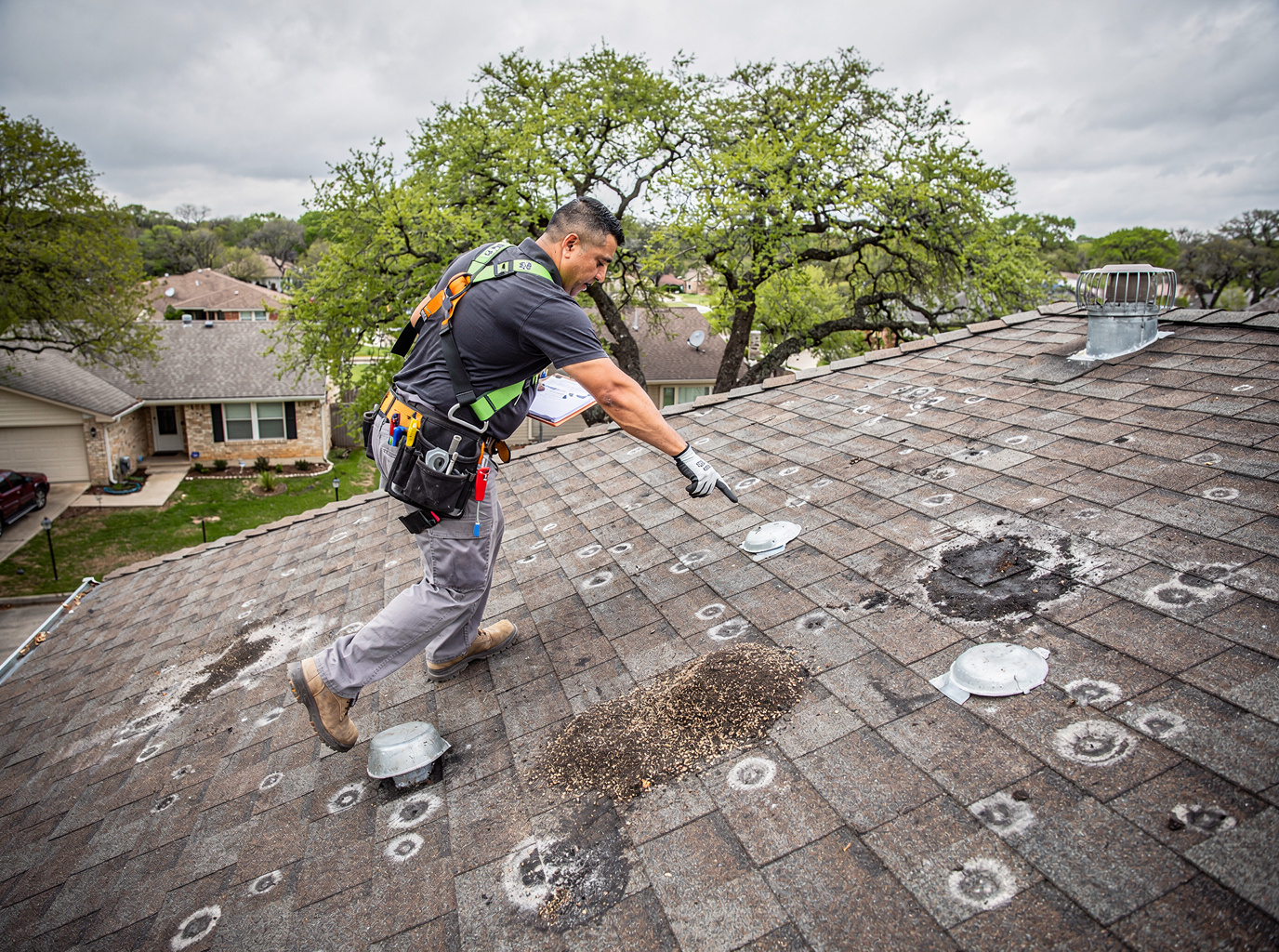
After a spring storm rolls through San Antonio, particularly those that bring hail, it's crucial to inspect your roof for damage. The most common signs of hail damage on San Antonio roofs include circular dents or divots on asphalt shingles, visible granule loss, cracked or broken shingles, and damage to roof accessories like vents and flashing. These indicators can range in size from small, almost imperceptible marks to larger, more obvious impacts, depending on the size and intensity of the hailstones. Early detection is key to preventing water intrusion and further structural issues, especially given San Antonio's hot summers and mild winters, which can exacerbate existing damage if left unaddressed. Even if you don't immediately see water leaks, the integrity of your roof might be compromised.
Understanding Hail Damage in Bexar County
Hail damage in San Antonio, and across Bexar County, isn't always immediately obvious, but it can significantly reduce your roof's lifespan and protective capabilities. The intense summer heat and occasional mild winters here mean that compromised roofing materials, such as those with granule loss or small cracks, will degrade much faster. For instance, a small impact that might seem cosmetic can, over time, lead to larger vulnerabilities that allow water to penetrate, especially during heavy rainfalls that often accompany spring and fall storms. Homes in areas like Alamo Heights, King William, and Southtown, with their diverse architectural styles and varying roof ages, are all susceptible. Understanding the unique climate challenges in our region helps us identify and address these issues proactively, often before they escalate into major problems like Hail Damage Roof Leaks.
Visual Inspection from the Ground
Before considering getting on your roof, always start with a thorough ground-level inspection. Look for anything out of the ordinary around your home after a hail event. Check your downspouts and gutters for an accumulation of shingle granules, which appear as coarse, sand-like material. This is a primary indicator of damage, as hail impact often dislodges these protective granules. Also, examine your siding, windows, and outdoor furniture for dents or dings. If these items show signs of impact, it's highly probable your roof has sustained similar, if not more severe, damage. Pay close attention to any visible roof edges and flashing from the ground. Even if you can't see the entire roof, these initial observations can provide valuable clues about the extent of potential damage.
Key Signs on Asphalt Shingles
For homes with asphalt shingles, which are prevalent throughout San Antonio, several specific signs indicate hail damage. The most common is granule loss, where the protective mineral surface of the shingle is knocked off, exposing the underlying asphalt. This often appears as dark, circular spots. Another clear sign is bruising or soft spots on the shingle, which feel spongy when pressed. These impacts compromise the shingle's integrity and can lead to cracking. You might also observe cracked roof shingles after hail, particularly if the hail was large or accompanied by strong winds. These cracks can be subtle or span the entire shingle. It's crucial to differentiate these from normal wear and tear, as hail damage often presents a distinct pattern of impacts. For more detailed information on this specific type of damage, you can visit our page on Granule Loss From Hail.
Damage to Other Roof Components
Hail doesn't just affect shingles; it can impact all elements of your roofing system. Roof vents, made of plastic or metal, are particularly vulnerable and can show dents, cracks, or even be completely shattered. Roof flashing, which protects vulnerable areas like chimneys and skylights, can become bent, creased, or punctured, compromising its ability to shed water. Skylights themselves can crack or shatter. Even your chimney cap or exhaust pipes can sustain damage. These components, while seemingly minor, are critical to your roof's overall waterproofing and structural integrity. Damage to them often indicates a more widespread issue across the entire roof surface, necessitating a comprehensive inspection.
When to Call a Professional for Inspection
While a ground-level check is a good first step, a professional inspection is almost always necessary to accurately assess hail damage. Many signs of damage, especially on the upper slopes or less visible areas of your roof, can only be safely and effectively identified by an experienced professional. We recommend scheduling a Hail Damage Roof Inspection if you notice any of the signs mentioned above, or if a significant hail event has occurred in your area, such as around The Alamo, River Walk, or near the San Antonio Zoo. Our team, based at 10120 Morocco St #195, San Antonio, TX 78216, United States, has the expertise to identify even subtle damage that could lead to serious problems down the line. Ignoring potential hail damage can lead to more extensive and costly repairs, especially when dealing with San Antonio's climate.