
2026-10-08 · David Ramirez
Preparing Your Roof for Peak Hail Season in South Texas
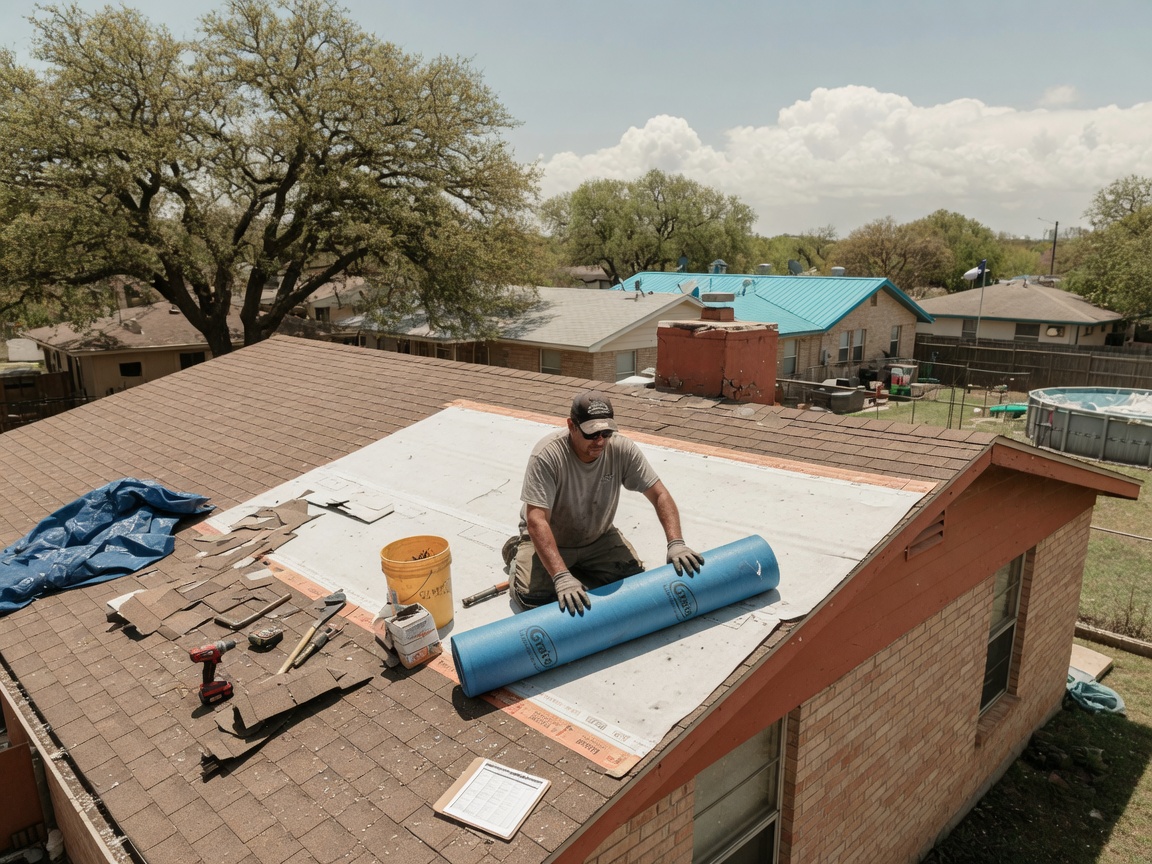
Preparing your roof for peak hail season in South Texas, particularly here in San Antonio and across Bexar County, involves a multi-faceted approach that combines regular inspections, strategic maintenance, and understanding the local climate's impact on roofing materials. While you can't prevent hail, you can certainly mitigate its effects, potentially saving thousands in repair costs and avoiding the stress of emergency situations. The effectiveness of your preparation hinges on identifying vulnerabilities before a storm hits, ensuring your roofing system is robust enough to withstand the severe impacts common during our spring and early summer hail events.
Understanding San Antonio's Hail Season
San Antonio experiences distinct weather patterns, with hot summers and mild winters, but it's the transitional seasons, especially spring, that bring the highest risk of hail. From late March through June, powerful thunderstorms frequently sweep through the region, often accompanied by hail ranging from pea-sized to golf ball-sized or even larger. These storms can develop rapidly, leaving little time for last-minute preparations. The impact of hail on roofs in neighborhoods like Alamo Heights, King William, and Southtown, where many homes feature older roofing systems, can be particularly severe. Understanding this seasonal threat is the first step in proactive roof protection, as it dictates the urgency and timing of your preventative measures.
The age and type of roofing material prevalent in many San Antonio homes also play a significant role. Many older homes, especially in established areas, might have asphalt shingles that are nearing the end of their lifespan, making them more susceptible to damage from even smaller hailstones. Newer constructions might have more resilient materials, but no roof is entirely immune to the force of a severe hail storm. This local reality means that a 'one-size-fits-all' approach to hail preparation simply doesn't work here; instead, it requires tailored strategies based on your specific property and roofing system.
Pre-Season Roof Inspection: Your First Line of Defense
Before the peak hail season truly kicks into gear, a thorough professional roof inspection is paramount. This isn't just about looking for obvious damage; it's about identifying subtle weaknesses that could become major problems after a hail event. An experienced inspector will examine your entire roofing system, including shingles, flashing, gutters, and roof vents, looking for signs of wear, deterioration, or existing damage. They'll check for loose or missing shingles, compromised seals around vents and chimneys, and any areas where water might pool. This proactive step allows you to address minor issues before they escalate.
For instance, even small cracks in shingles or slightly lifted flashing can become entry points for water once hail has compromised the surface integrity. Our team, based right here at 10120 Morocco St #195, San Antonio, TX 78216, United States, has seen countless cases where a seemingly minor pre-existing condition led to significant water damage after a hail storm. A detailed inspection also provides a baseline for comparison if you do experience hail damage, which can be invaluable when filing an insurance claim. You can learn more about what to expect with a comprehensive inspection on our <a href="/services/hail-damage-roof-inspection">Hail Damage Roof Inspection</a> service page.
Essential Roof Maintenance Steps
Beyond inspection, several maintenance tasks can significantly improve your roof's resilience against hail. Clearing gutters and downspouts of debris is crucial, as clogged gutters can lead to water backup and fascia damage, weakening the roof's edge. Trimming overhanging tree branches is another vital step; not only do branches protect your roof from falling onto it during high winds, but they also prevent leaves and twigs from accumulating and trapping moisture. Ensuring proper attic ventilation also helps regulate roof temperature, which can prolong the life of your shingles and make them less brittle and more resistant to impact.
Consider reinforcing or replacing any aging or damaged components. If your roof has older, brittle shingles, even minor hail can cause significant granule loss from hail or lead to <a href="/services/cracked-roof-shingles-after-hail">cracked roof shingles after hail</a>, compromising their protective capabilities. Replacing these vulnerable sections proactively can prevent more extensive damage. Additionally, ensuring that all roof vents and flashing are securely fastened and sealed is critical. These often-overlooked components are common points of failure during severe weather, as hail can easily damage or dislodge them, leading to leaks.
Material Considerations for Hail Resistance
While not always feasible for immediate preparation, understanding hail-resistant roofing materials is important for long-term planning, especially if your roof is nearing replacement. Impact-resistant shingles, often rated Class 4 for hail resistance, are designed to withstand significant hail impacts without cracking or puncturing. These shingles use modified asphalt or specialized composites that offer superior durability. While they represent a higher upfront investment, they can provide substantial long-term savings by reducing the frequency and severity of hail damage repairs.